
bespoke bathroom mirror
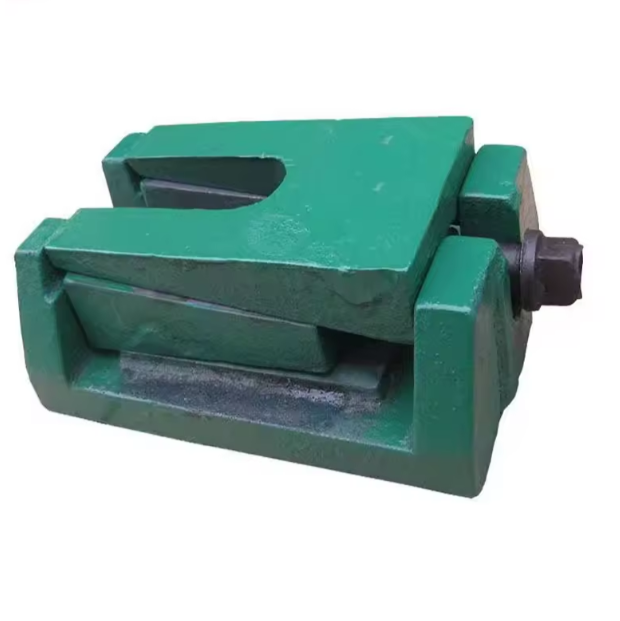
The Importance of Rubber Pad Anti-Vibration Solutions In an increasingly mechanized world, various industries rely heavily on machinery and equipment to enhance productivity. However, with great power and efficiency comes a common challenge vibration. The incessant shaking and rattling caused by operating machinery can lead to numerous issues, including equipment wear, reduced efficiency, and even health hazards such as excessive noise and discomfort for workers. This is where rubber pad anti-vibration solutions come into play, providing a vital line of defense against the negative impacts of vibrations. Understanding Vibration and Its Implications Before delving into the specifics of rubber pad anti-vibration solutions, it's essential to understand what vibration is and why it matters. Vibration refers to the oscillation of objects around their equilibrium position. In industrial settings, machines operate with moving parts that can generate significant vibrational forces. These forces can propagate through the structure of buildings or installations, resulting in structural fatigue, equipment malfunction, and potential safety hazards. The implications of unchecked vibration are profound. Over time, vibrations can cause machinery to operate inefficiently, leading to increased energy consumption. Equipment may require more frequent maintenance and parts replacement, driving operational costs higher. Moreover, excessive vibration can create a hazardous work environment, resulting in stress and fatigue for employees. Therefore, implementing anti-vibration measures is not only a matter of machinery care but also one of workplace safety and productivity. Rubber Pads A Versatile Solution Rubber pads are a popular choice for mitigating vibrations in various applications. These pads are made from durable rubber compounds that effectively absorb and dampen vibrations, translating the energy into heat rather than allowing it to propagate through structures. The properties of rubber—its elasticity and resilience—allow it to deform under compressive forces, making it ideal for vibration isolation. rubber pad anti vibration One of the key advantages of rubber pad anti-vibration solutions is their versatility. They can be used across many sectors, including automotive, manufacturing, aerospace, and construction. Whether it’s a piece of machinery in a manufacturing plant or a heavy generator on a construction site, rubber pads can accommodate different load capacities and environmental conditions. They are available in a variety of sizes and thicknesses, ensuring that businesses can find the perfect fit for their specific needs. Long-Term Benefits of Using Rubber Pad Anti-Vibration Solutions The long-term benefits of implementing rubber pad anti-vibration solutions are substantial. Firstly, by reducing vibration levels, businesses can extend the lifespan of their equipment. Fewer vibrations lead to less wear and tear on components, reducing the frequency and cost of maintenance. Additionally, by enhancing machinery performance, organizations can achieve operational efficiency, thereby lowering energy costs. Moreover, there are inherent safety benefits associated with the use of anti-vibration pads. By minimizing vibrations, companies can create a safer and more comfortable working environment for their employees. This contributes to better overall morale and productivity, fostering a culture of safety and care. Finally, adopting rubber pad anti-vibration solutions can have a positive environmental impact. By improving machinery efficiency and reducing energy consumption, businesses can also lower their carbon footprint, aligning with global sustainability goals. Conclusion In conclusion, rubber pad anti-vibration solutions are indispensable for modern industries seeking to mitigate the adverse effects of vibration. By prioritizing the integration of these pads into their operations, businesses can enhance equipment longevity, improve workplace safety, and foster a more efficient, productive environment. As the demand for reliability and efficiency in machinery continues to grow, so too will the importance of effective vibration management solutions. Embracing rubber pads is not just a smart operational choice; it’s a proactive strategy for sustaining a competitive edge in today's fast-paced industrial landscape.
about
bespoke bathroom mirror
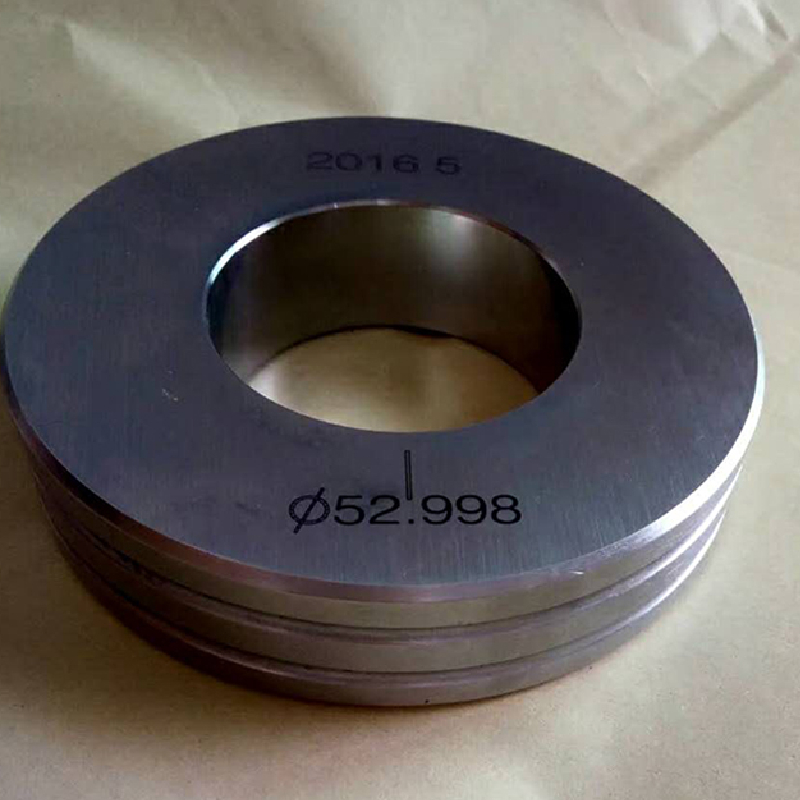
Understanding the Thread Plug Gauge 6g Essential Tool for Quality Control In the realm of manufacturing and engineering, precision is paramount. One of the critical aspects of ensuring quality in threaded components is the usage of thread gauges. Among these, the thread plug gauge, particularly designated as 6g, plays a significant role in verifying the accuracy and functionality of threaded parts. This article delves into the importance, specification, and application of the thread plug gauge 6g. What is a Thread Plug Gauge? A thread plug gauge is a specialized measuring tool used to check the pitch diameter and, in some cases, the major diameter of internal threads. Unlike other thread measuring instruments, a plug gauge is designed to fit into a tapped hole, allowing manufacturers to assess whether the threads conform to specified tolerances. Thread plug gauges are referred to by their tolerances—such as 6g—indicating the precision limits they are designed to meet. Understanding the 6g Tolerance The designation 6g refers to a specific tolerance class in the metric thread system, which is governed by international standards like ISO and DIN. The 6 signifies the basic size, while the g indicates the tolerance grade. In the context of internal threads, a 6g tolerance indicates a medium degree of fit, suitable for many applications where moderate precision is acceptable. This tolerance class is particularly common for general engineering applications, providing a balance between ease of assembly and reliability in operation. Importance of Using 6g Thread Plug Gauges Utilizing a 6g thread plug gauge is essential for ensuring the integrity of threaded components . Here are the primary reasons why this tool is pivotal in manufacturing thread plug gauge 6g 1. Quality Assurance Measuring the internal threads with a 6g plug gauge helps ensure that parts meet the design specifications. This guarantees the components will fit correctly during assembly, preventing issues related to misalignment or mechanical failure. 2. Efficiency in Production With the ability to quickly assess the dimensional accuracy of threaded holes, production times can be optimized. A straightforward and reliable measurement process allows for rapid feedback and adjustment, ensuring the manufacturing process remains efficient. 3. Interchangeability Standardized thread dimensions promote interoperability between various suppliers and manufacturers, which is particularly crucial in industries like automotive and aerospace where precision is key. The 6g tolerance allows for the assurance of part compatibility. 4. Cost-Effectiveness By reducing the likelihood of defects and rework, using a 6g thread plug gauge contributes to lower production costs. A proactive approach to quality assurance minimizes waste and maximizes resource utilization. Applications Across Industries Thread plug gauges, including the 6g type, find applications in a diverse range of industries. From automotive manufacturing to aerospace engineering, and even in machinery, these gauges ensure that components like bolts, screws, and other fasteners meet necessary standards. Their use is not limited to large-scale production; they are equally valuable in small workshops where precision machining takes place. Conclusion In conclusion, the thread plug gauge 6g stands as a vital instrument in the toolkit of quality assurance within manufacturing. Its role in verifying the accuracy of internal threads helps ensure product reliability while maintaining operational efficiency. As industries continue to evolve, the significance of precision measurement tools like the 6g thread plug gauge cannot be overstated. Understanding and utilizing this gauge is essential for manufacturers striving for excellence and consistency in their products. Whether in the design phase or during production, the thread plug gauge 6g proves indispensable for achieving high-quality outcomes in threaded components.
-

High quality industrial productsagement

High quality industrial products
View Details -

Meet the diverse needs of customers

Meet the diverse needs of customers
View Details -

Strict quality control

Strict quality control
View Details -

Top raw materials

Top raw materials
View Details -

Trusted supplier

Trusted supplier
View Details
Our application

news and information

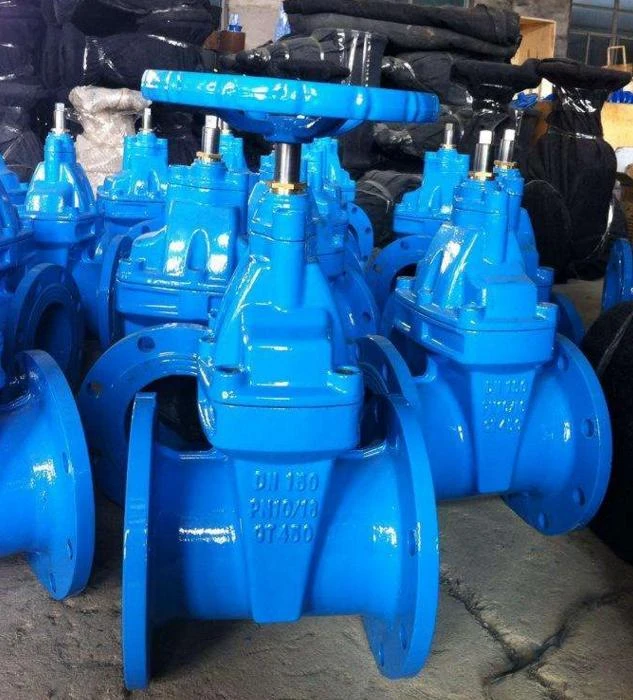
Válvula principal de agua en el hogar y su importancia para el suministro doméstico
La Importancia de la Válvula Principal de Agua en el Hogar La válvula principal de agua es un compon
Wskaźnik pierścienia gwintu standardowy
Standardy narzędzi do pomiaru gwintów – Gniazdo gwintowe Standardy narzędzi do pomiaru gwintów – Gni
Water Percentage Cut-Off Valve for Efficient Flow Control Systems
Understanding Water Cut-Off Valves An Essential Component in Fluid Management Water cut-off valves a
 English